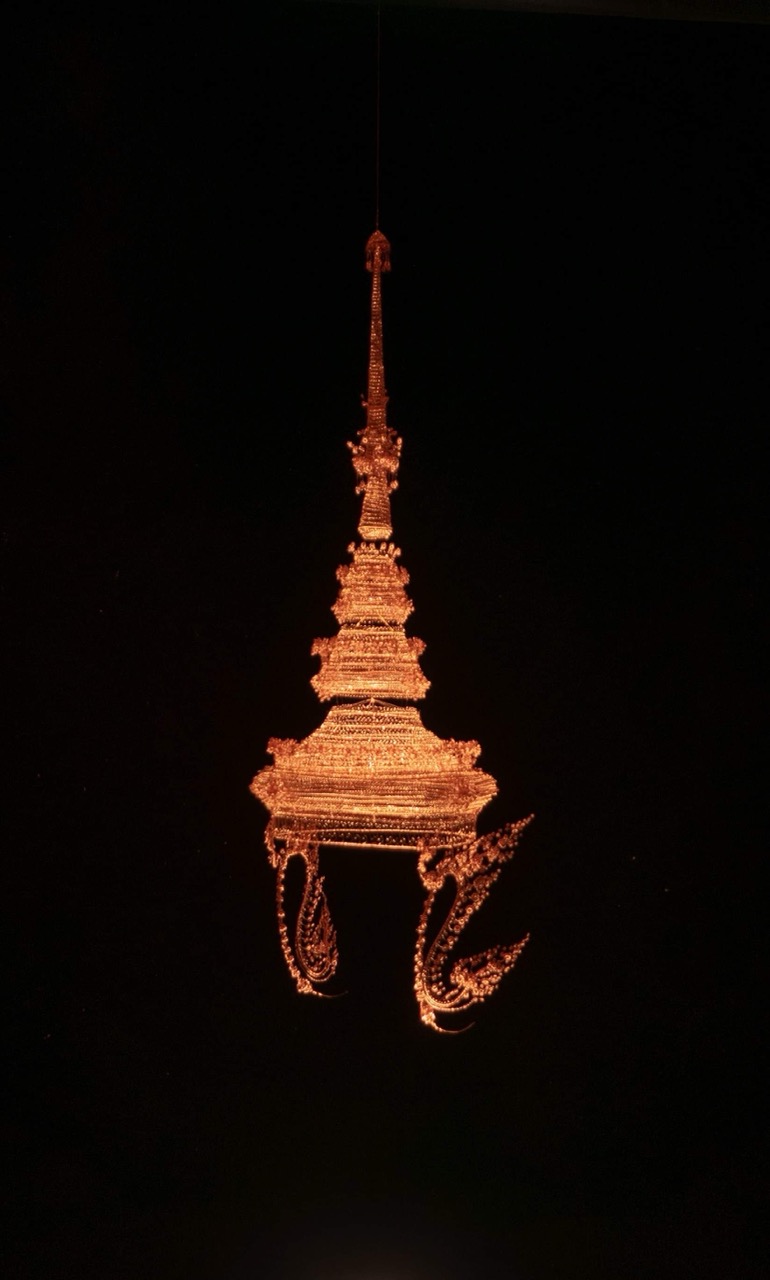
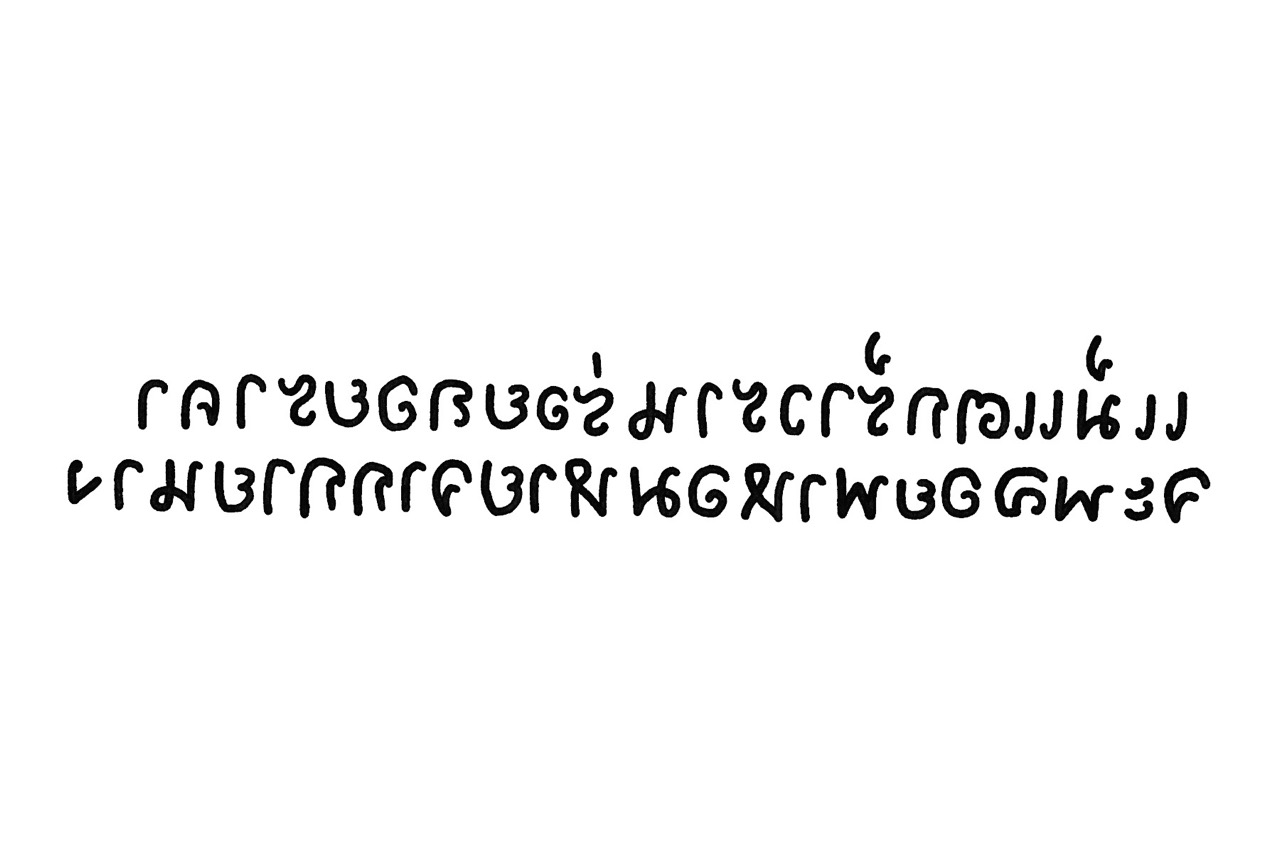
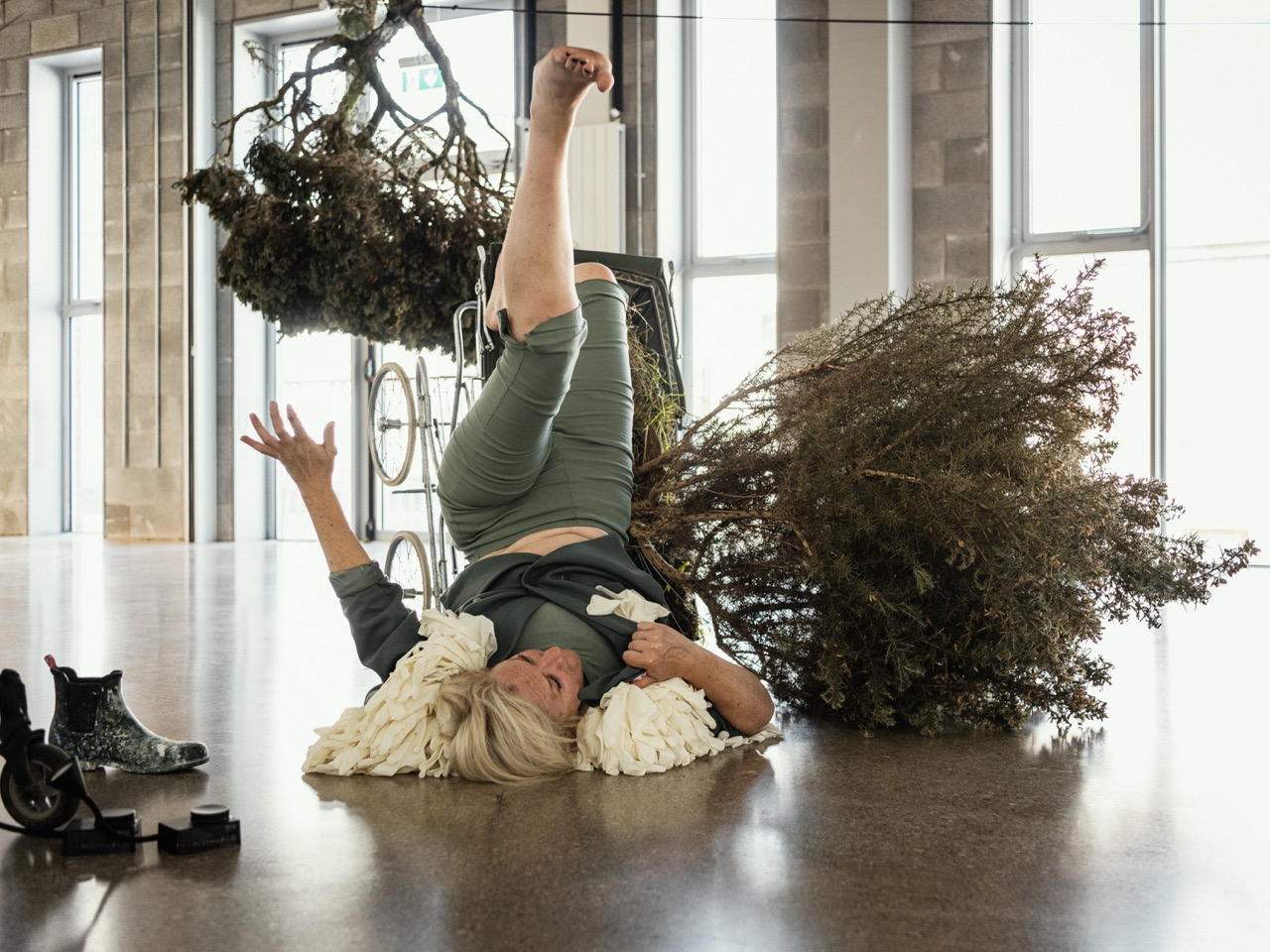
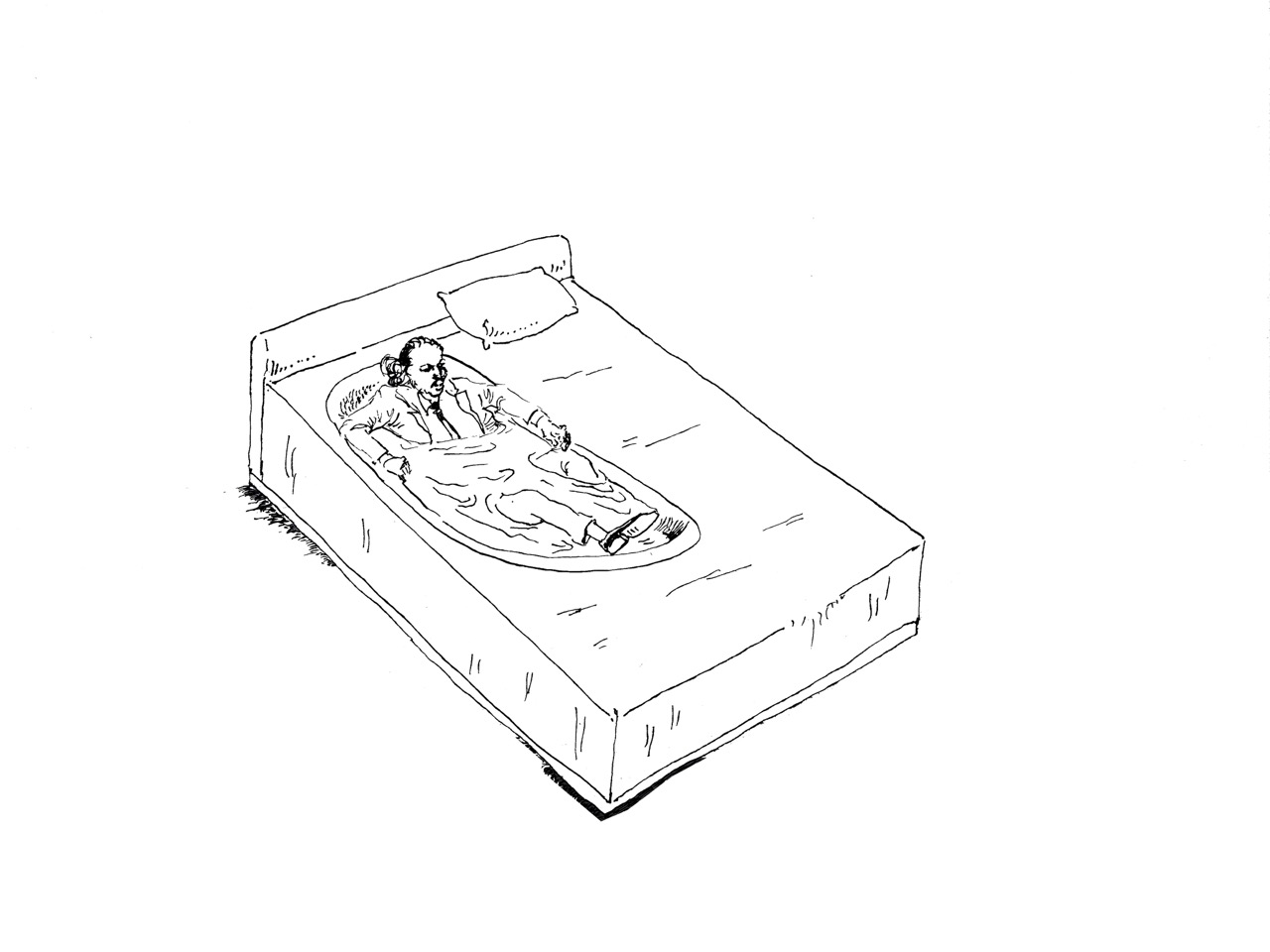
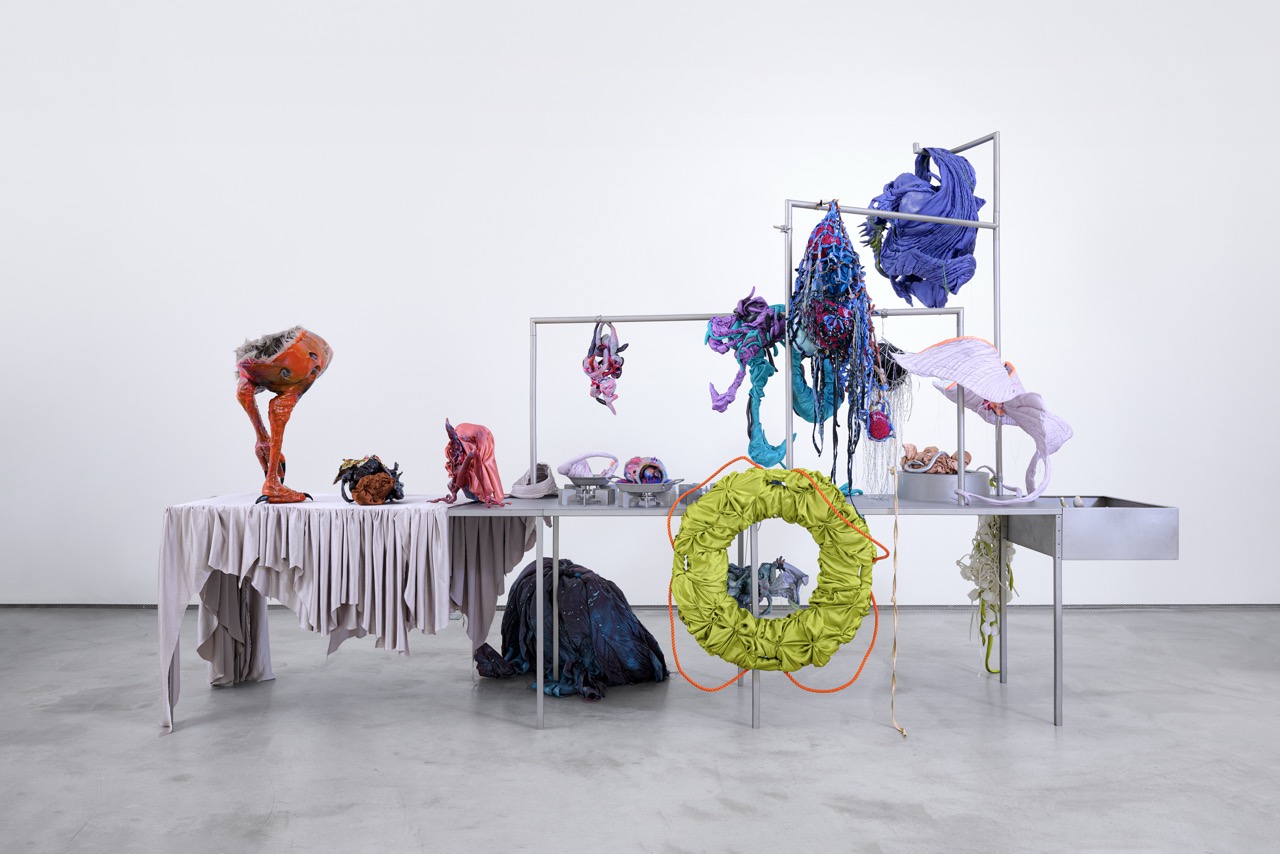
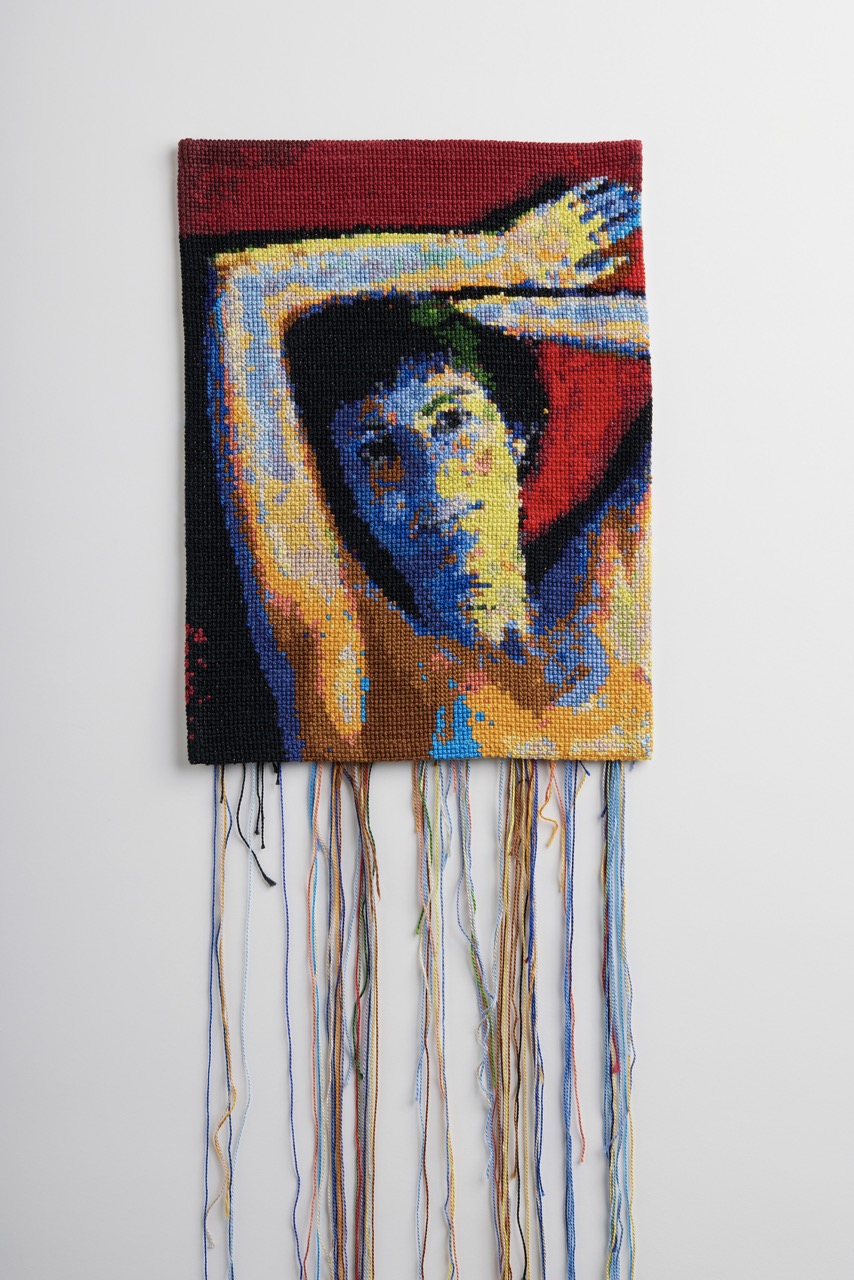
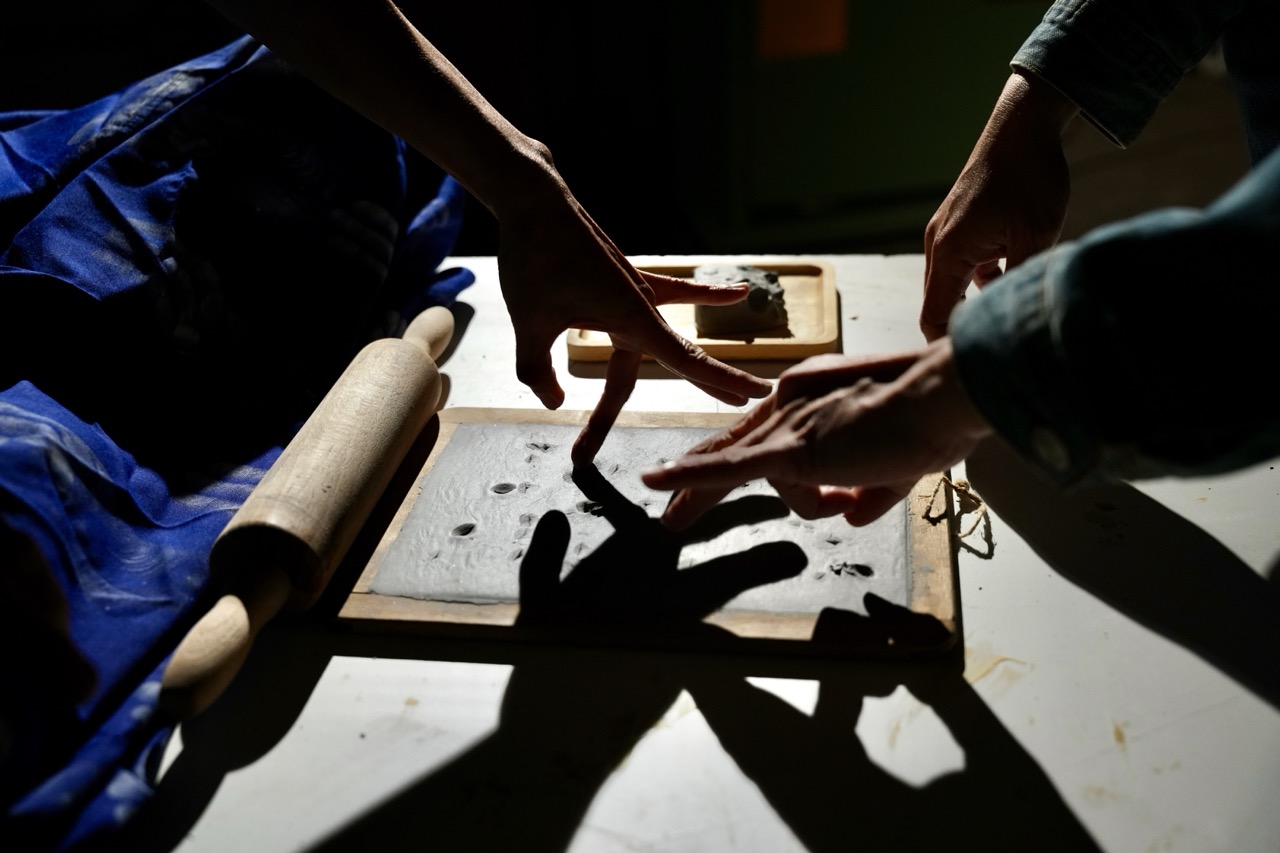
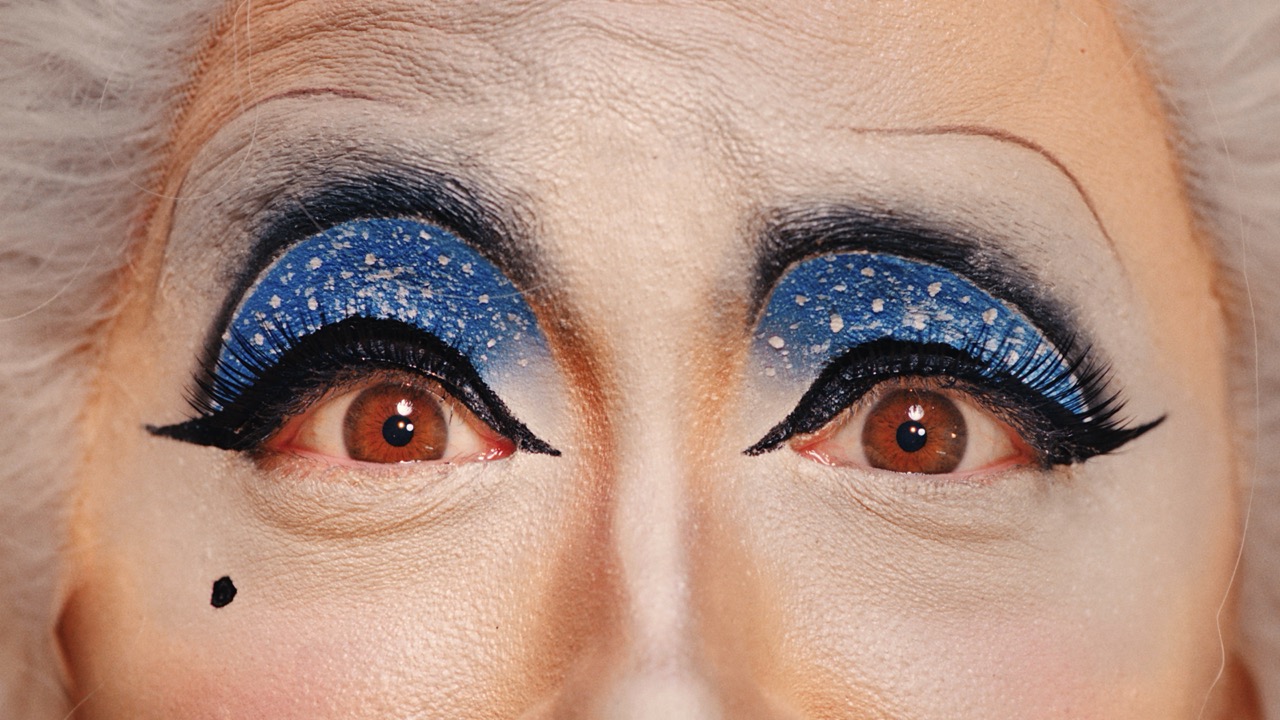
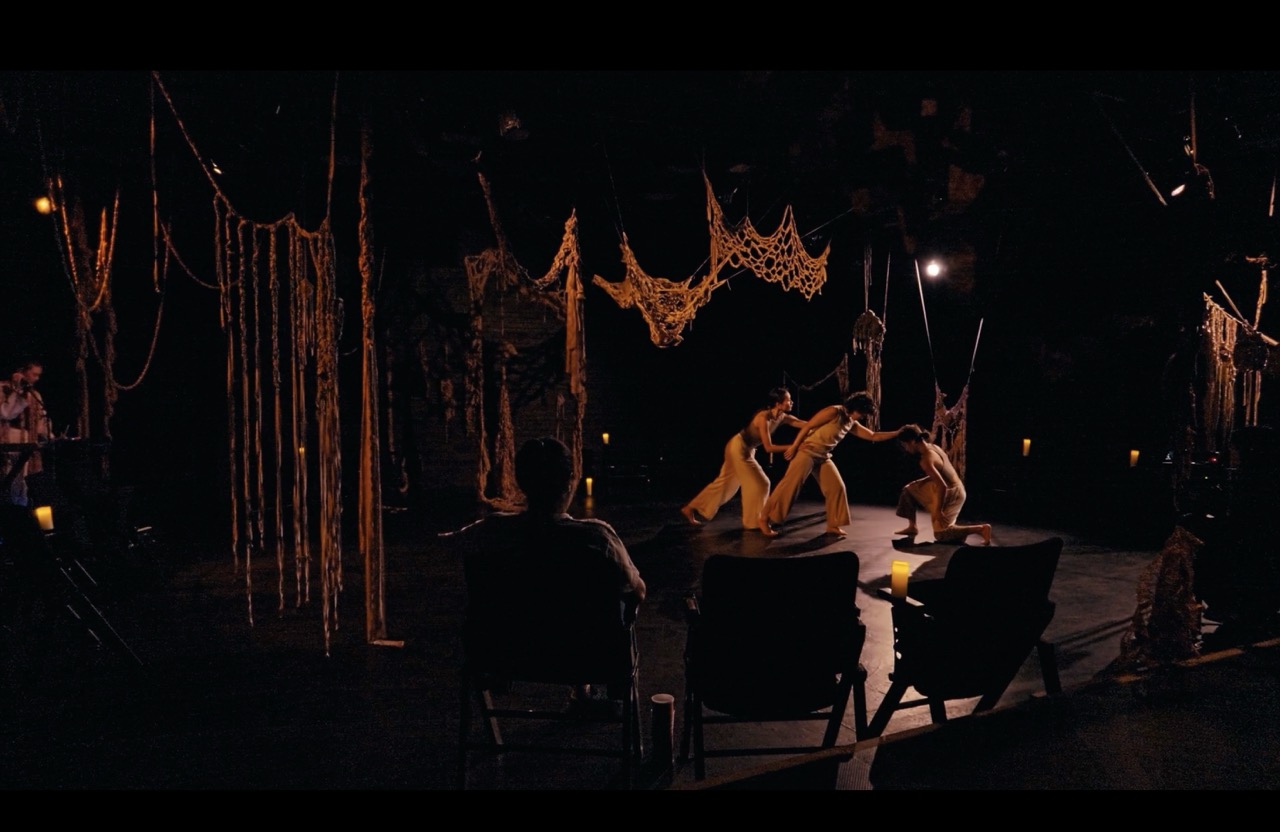
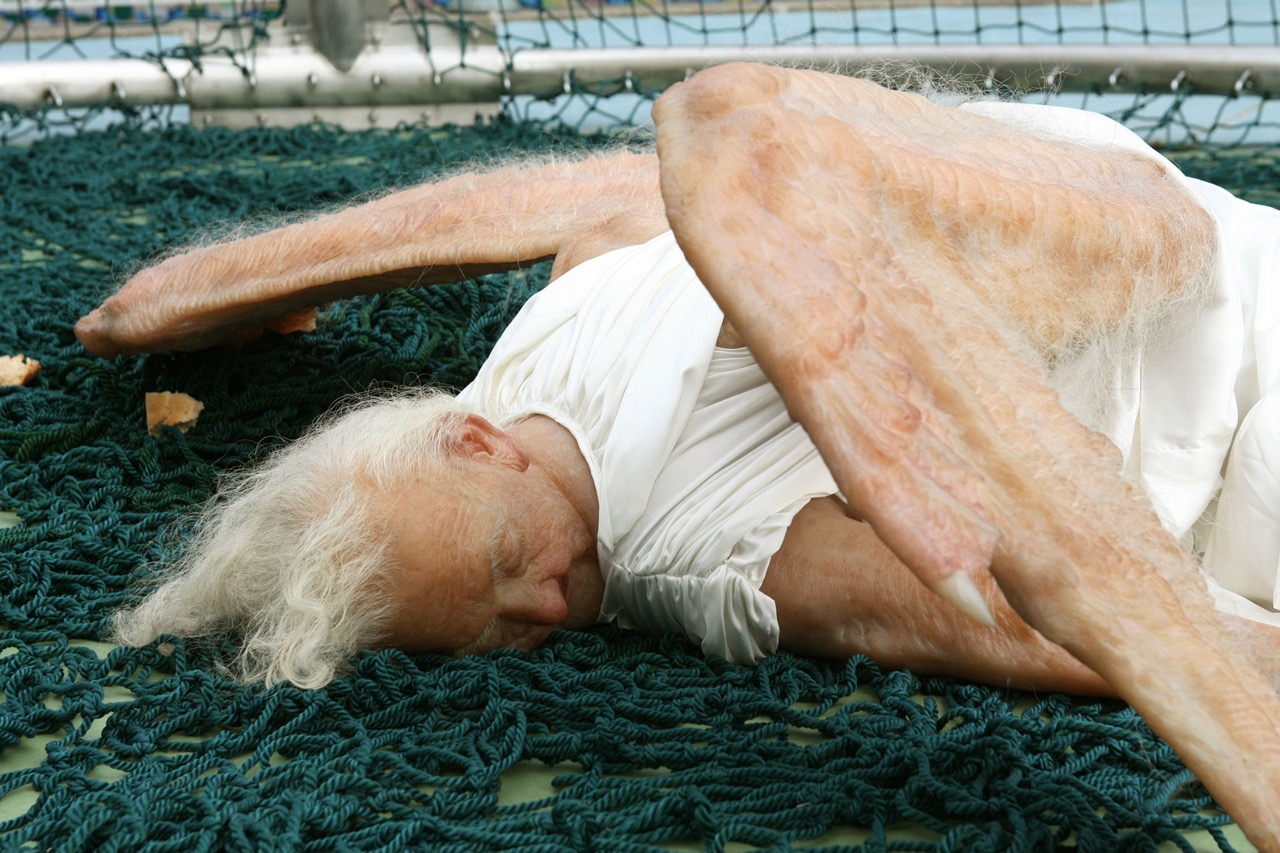
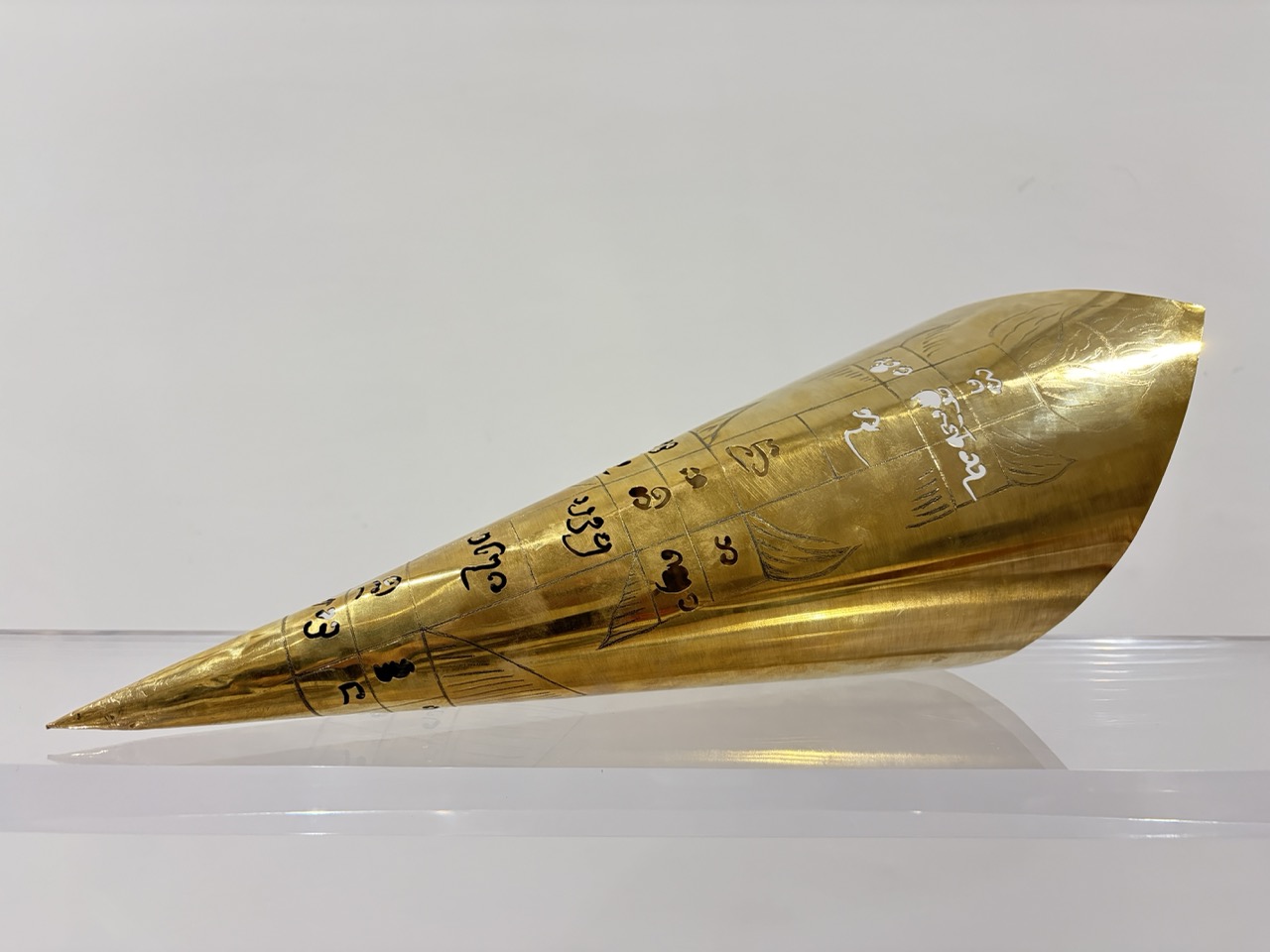
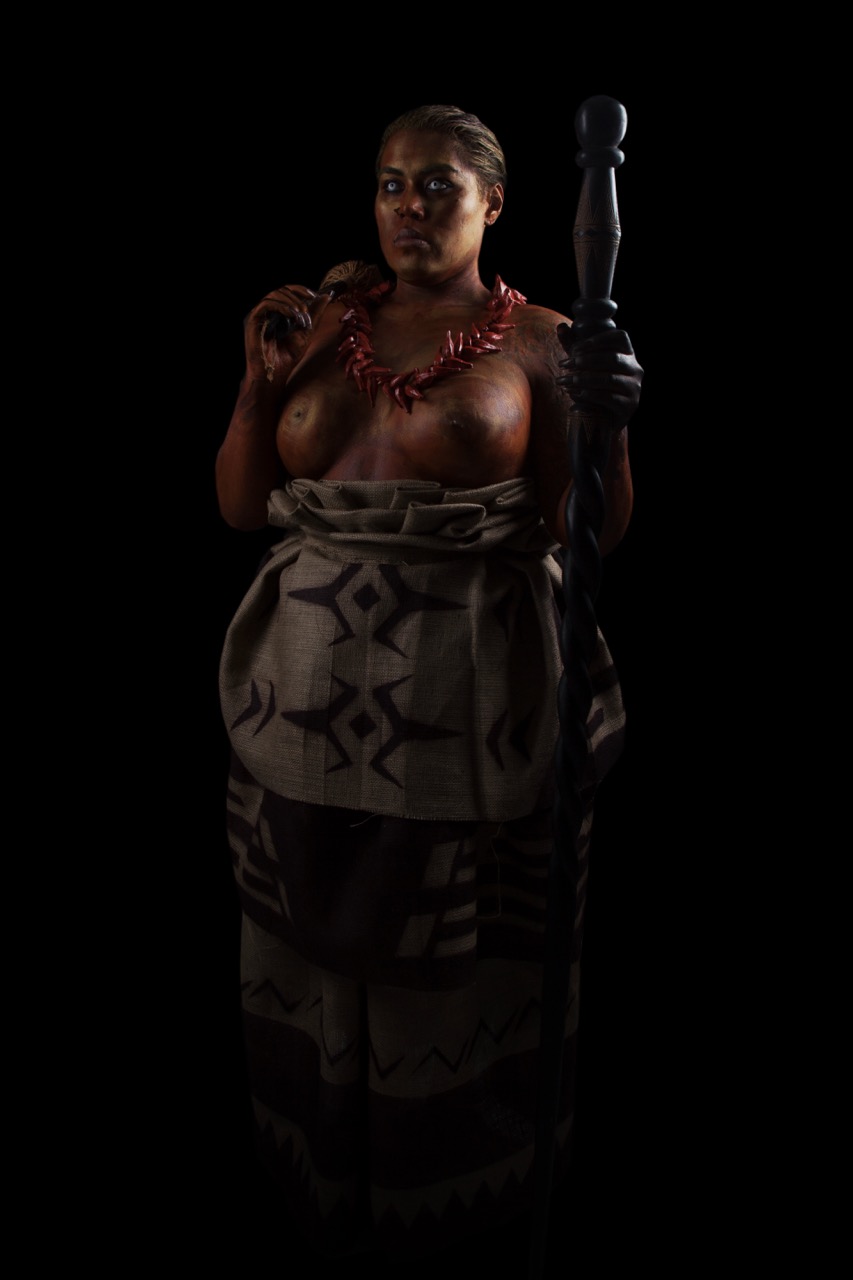
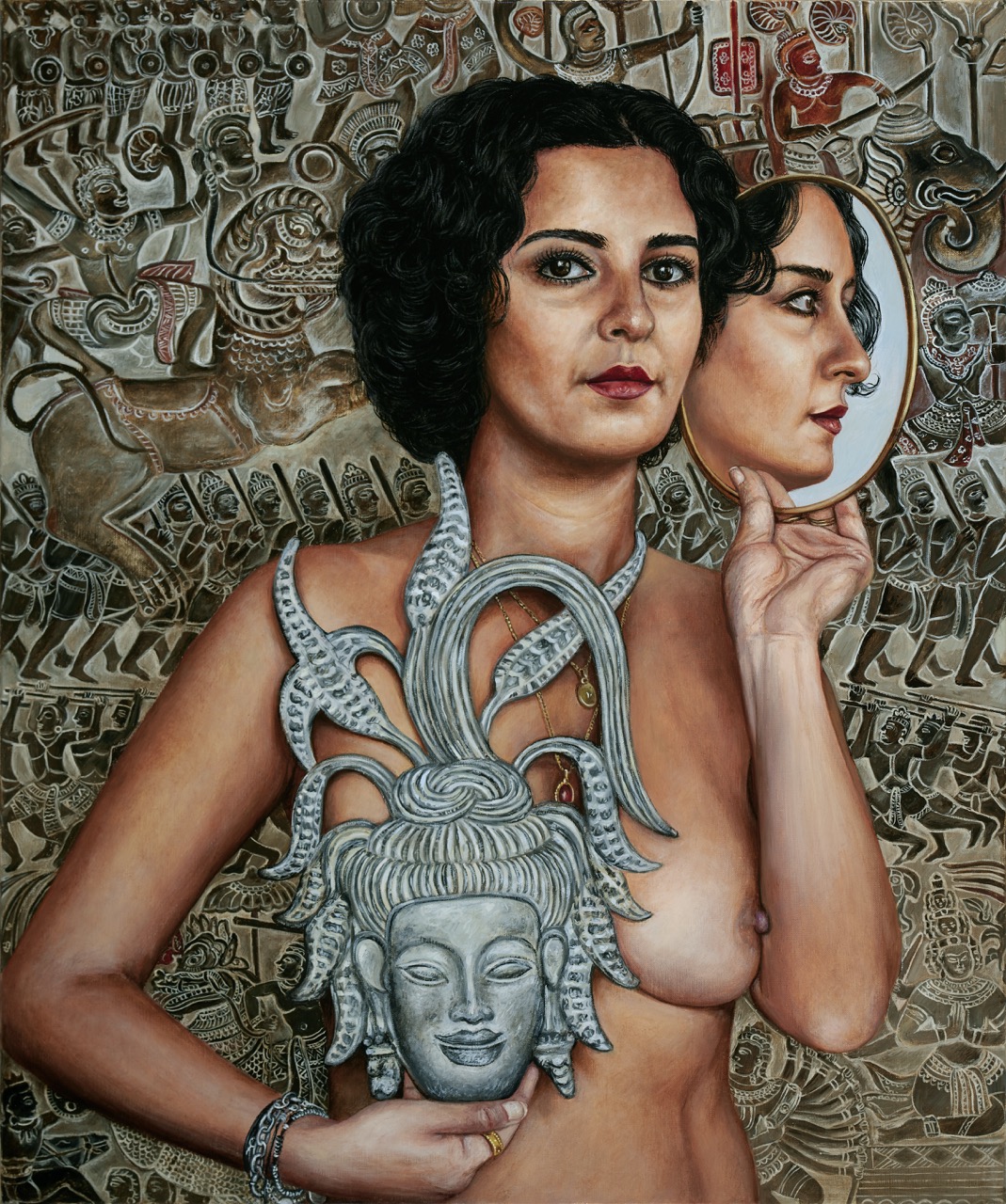
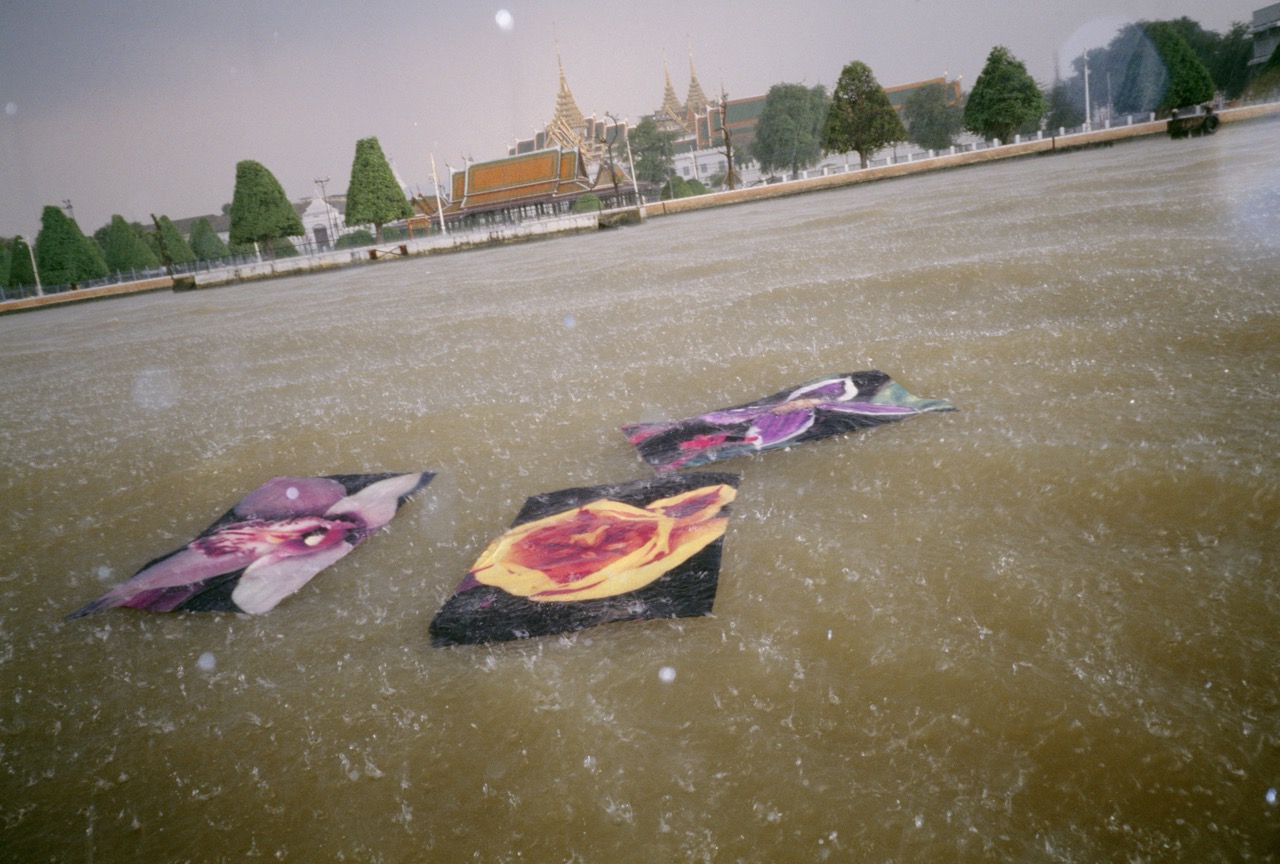
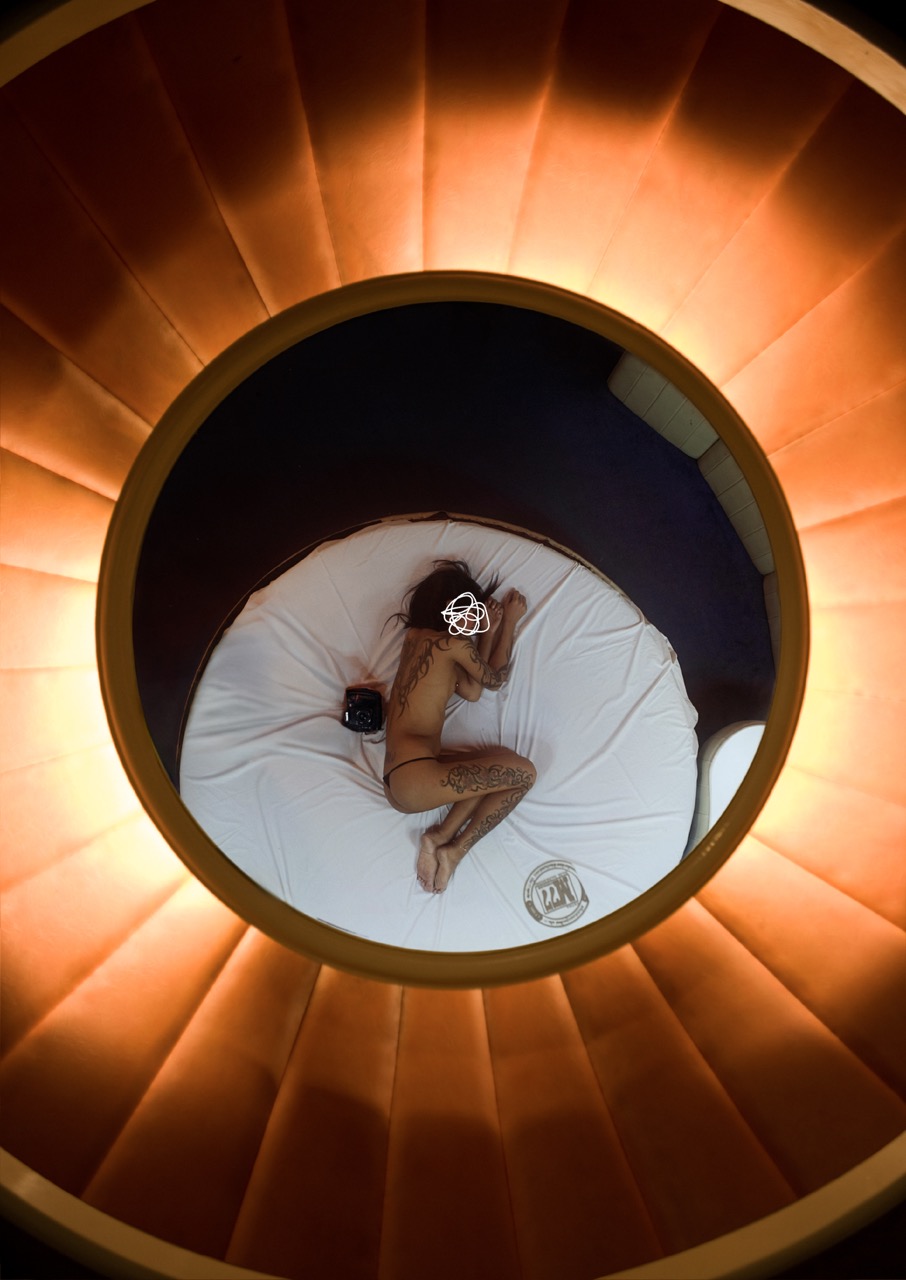
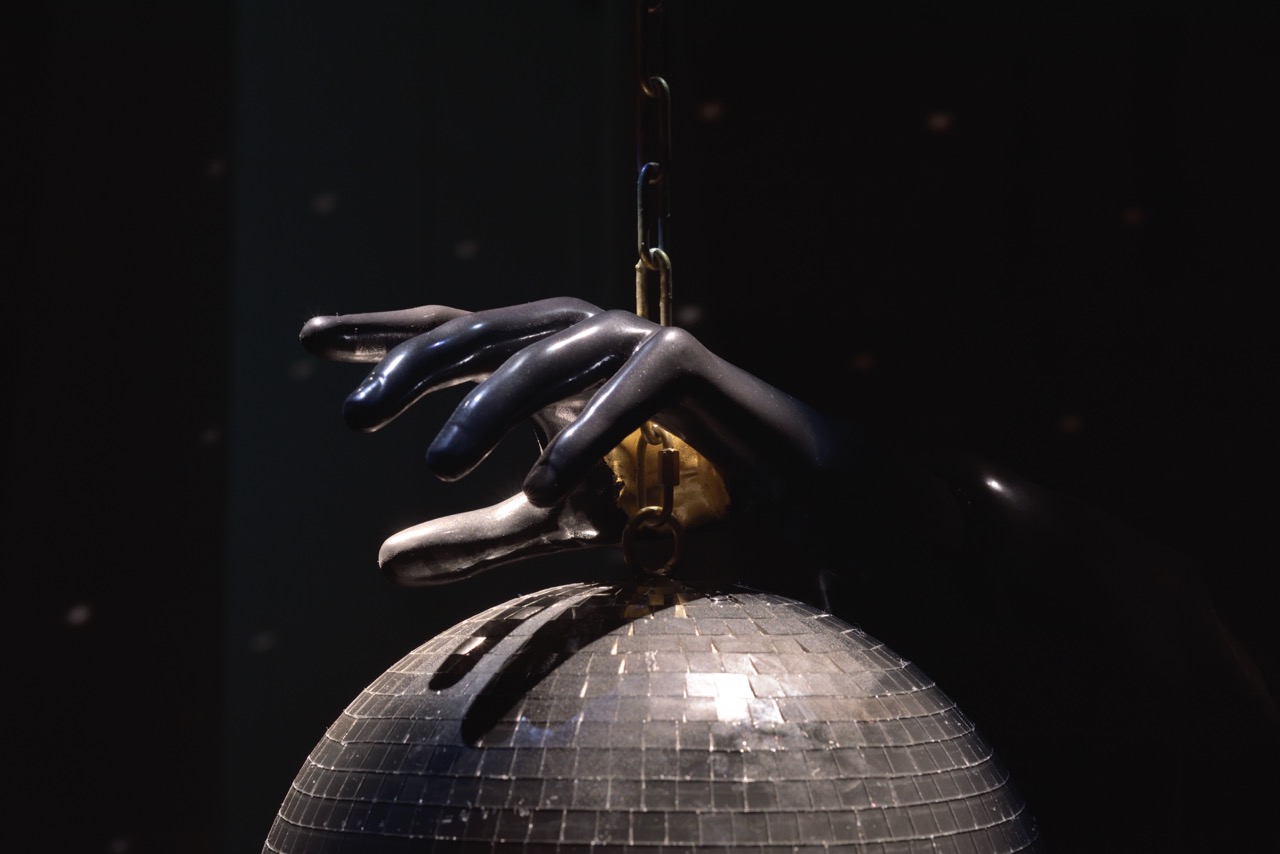
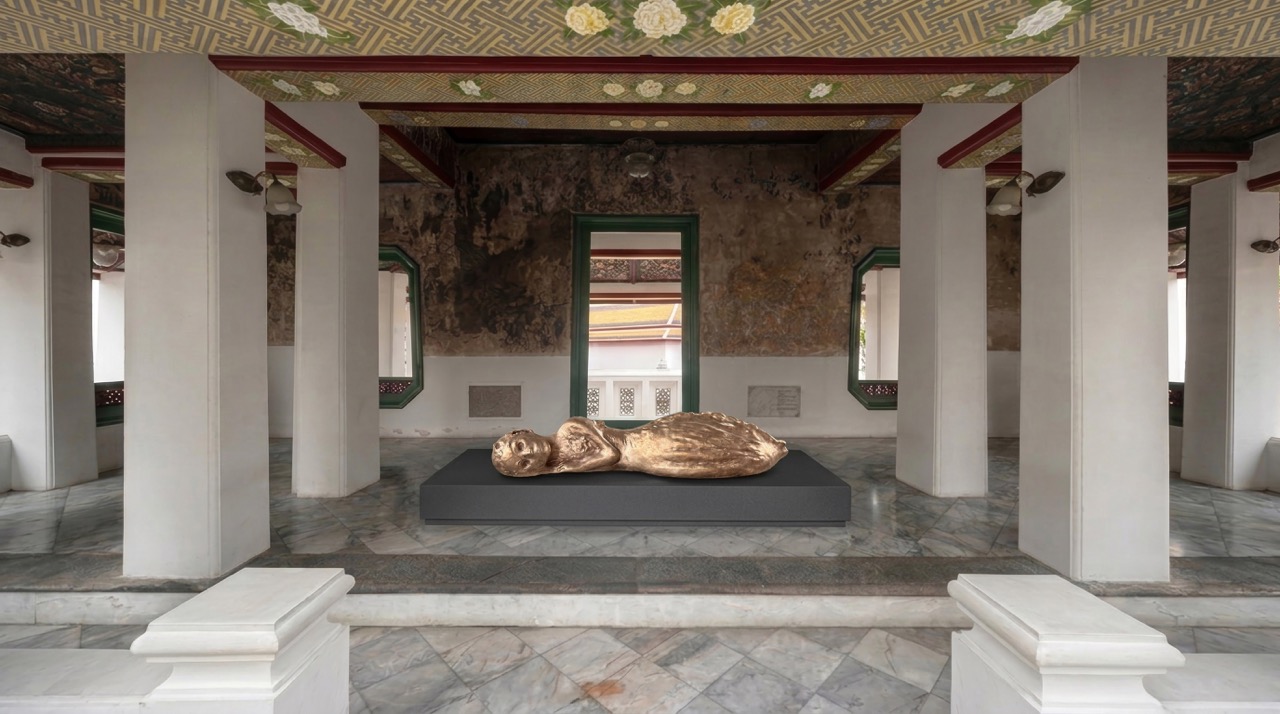
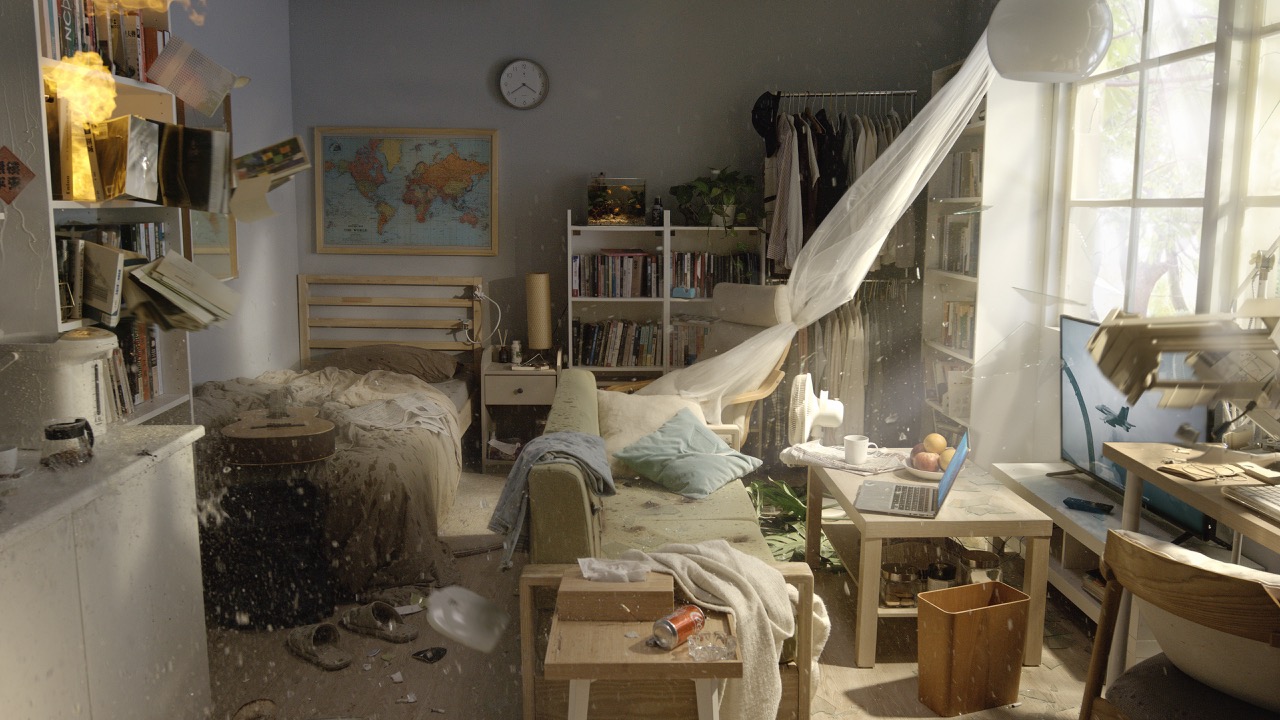
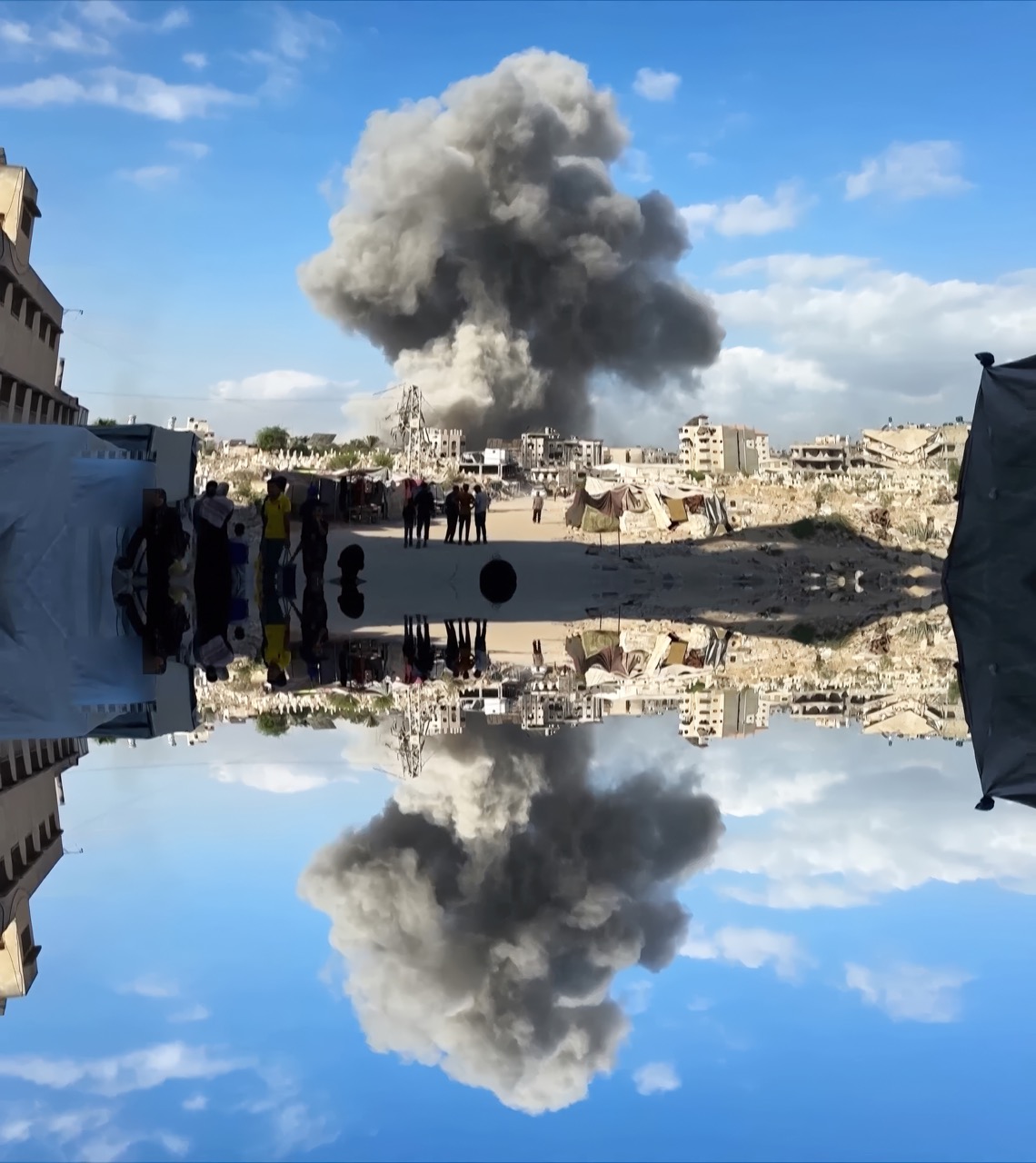
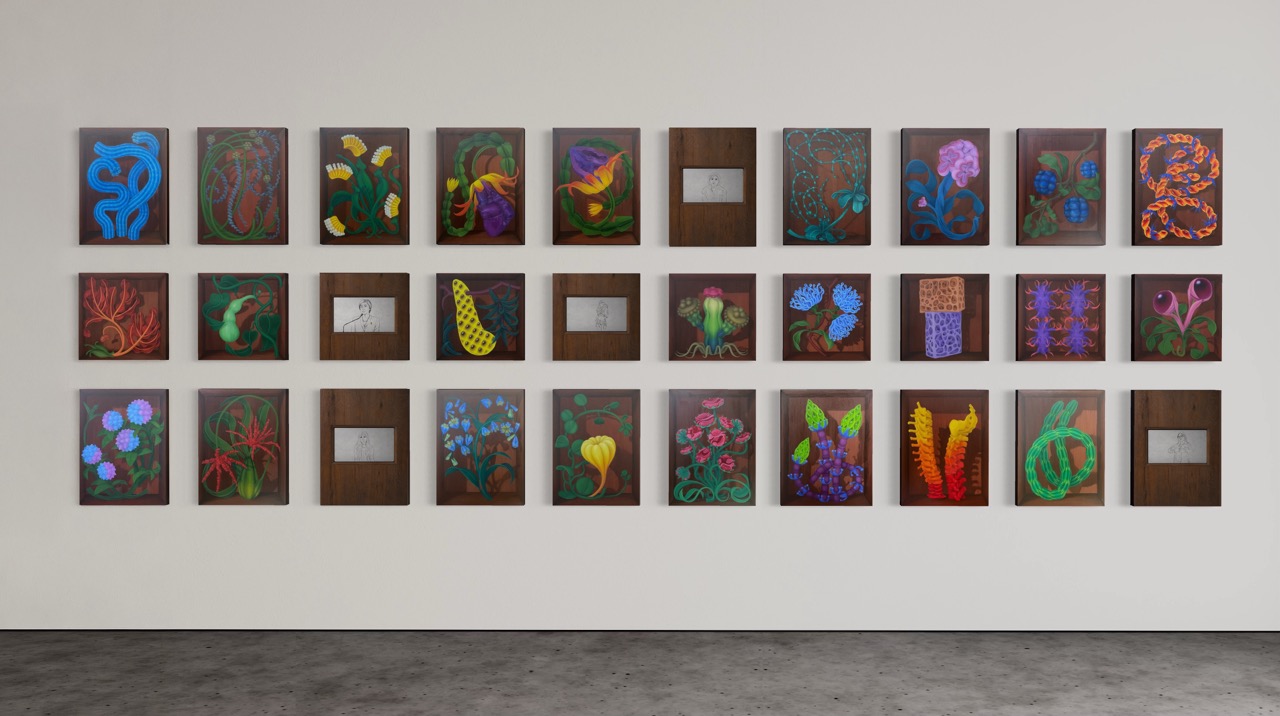
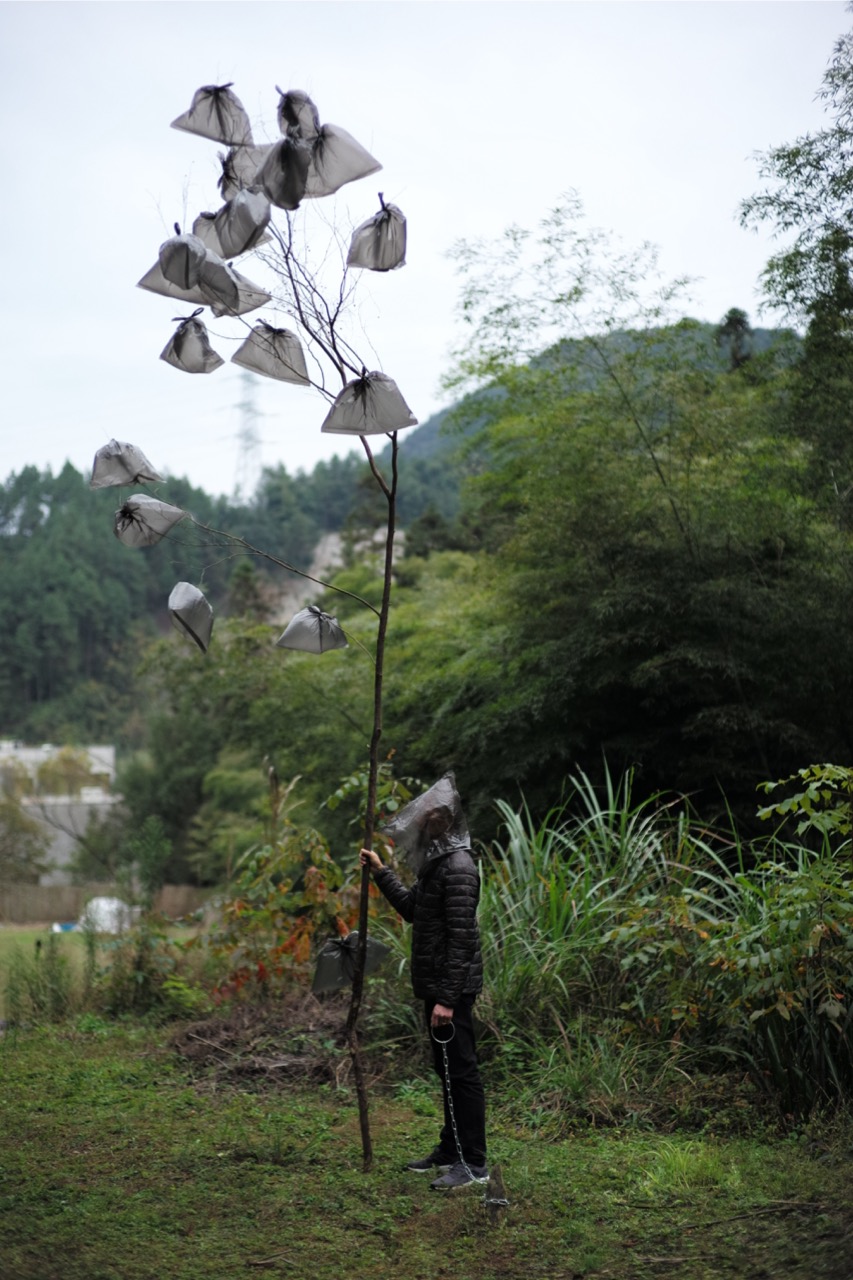
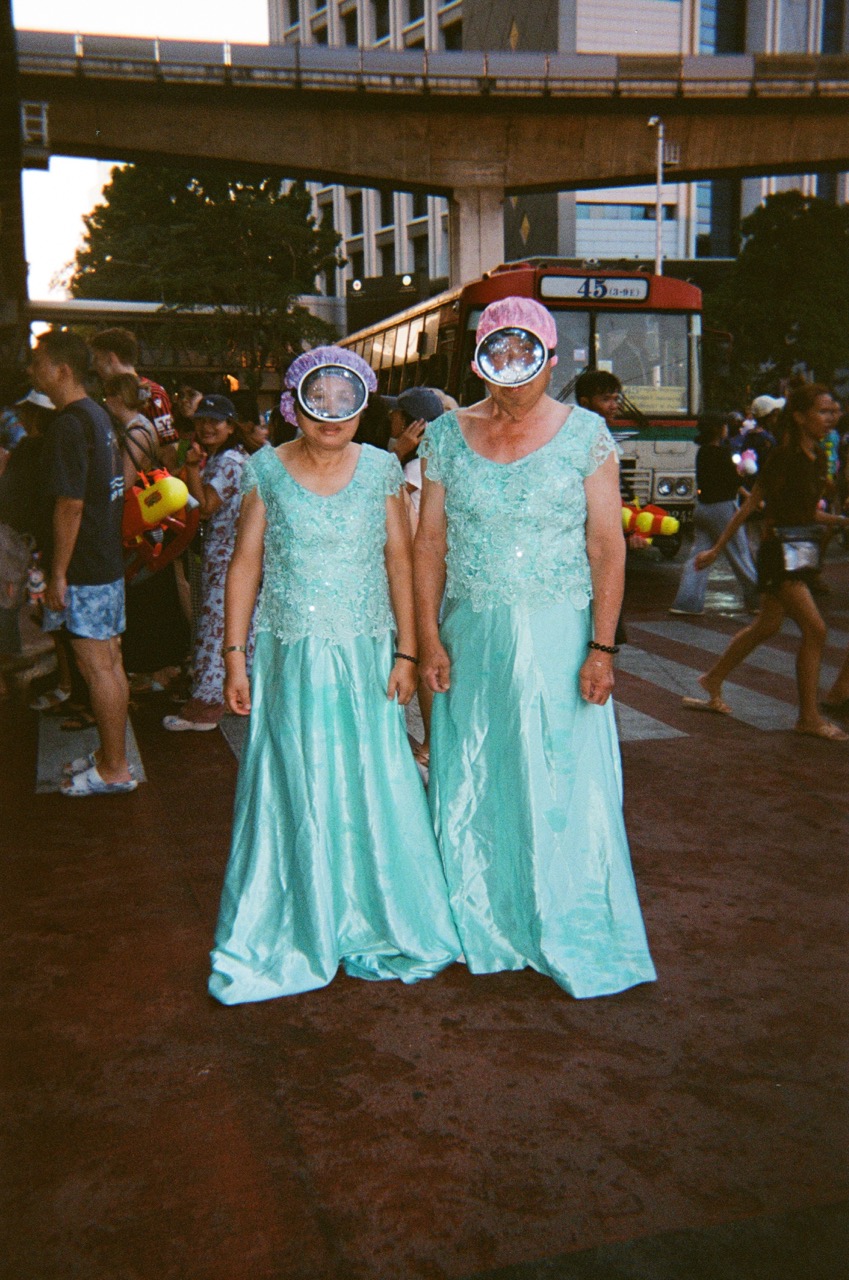
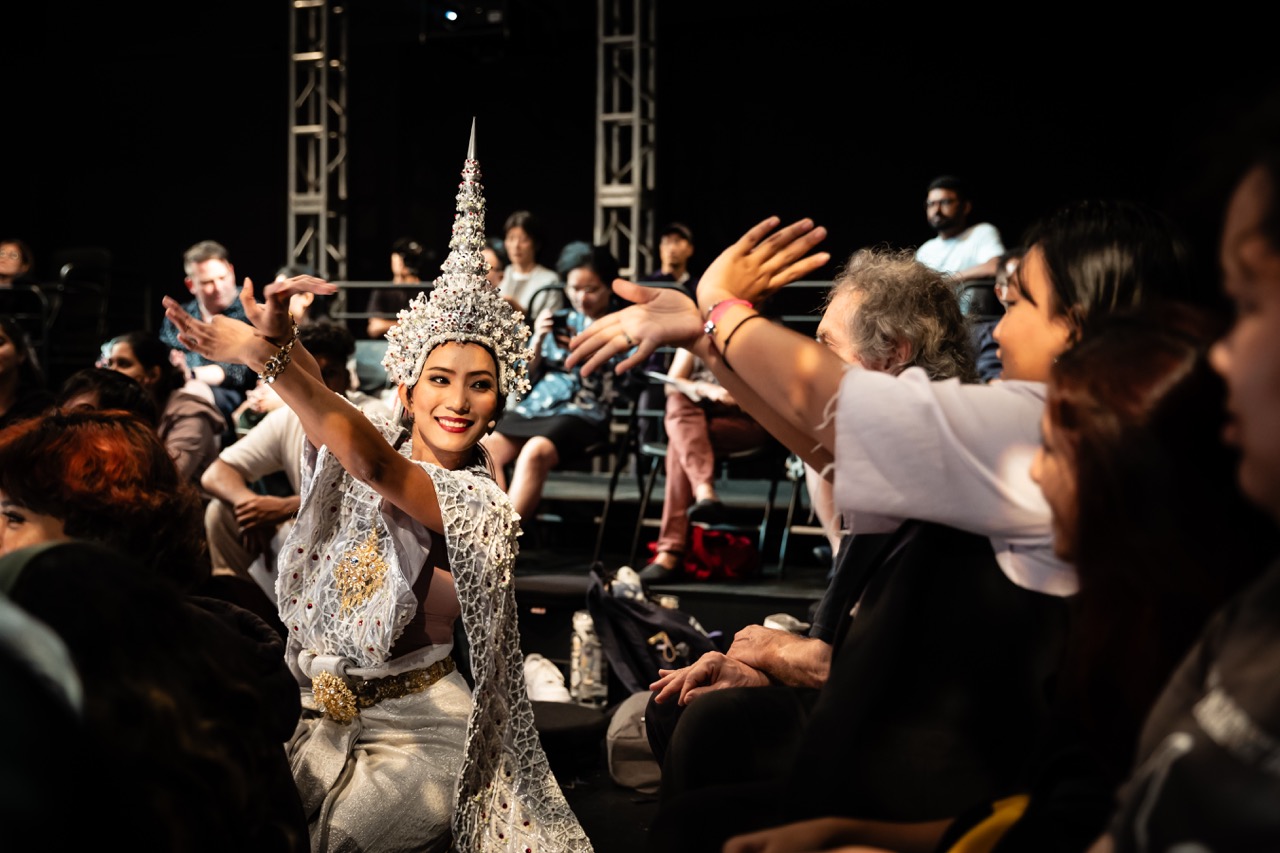
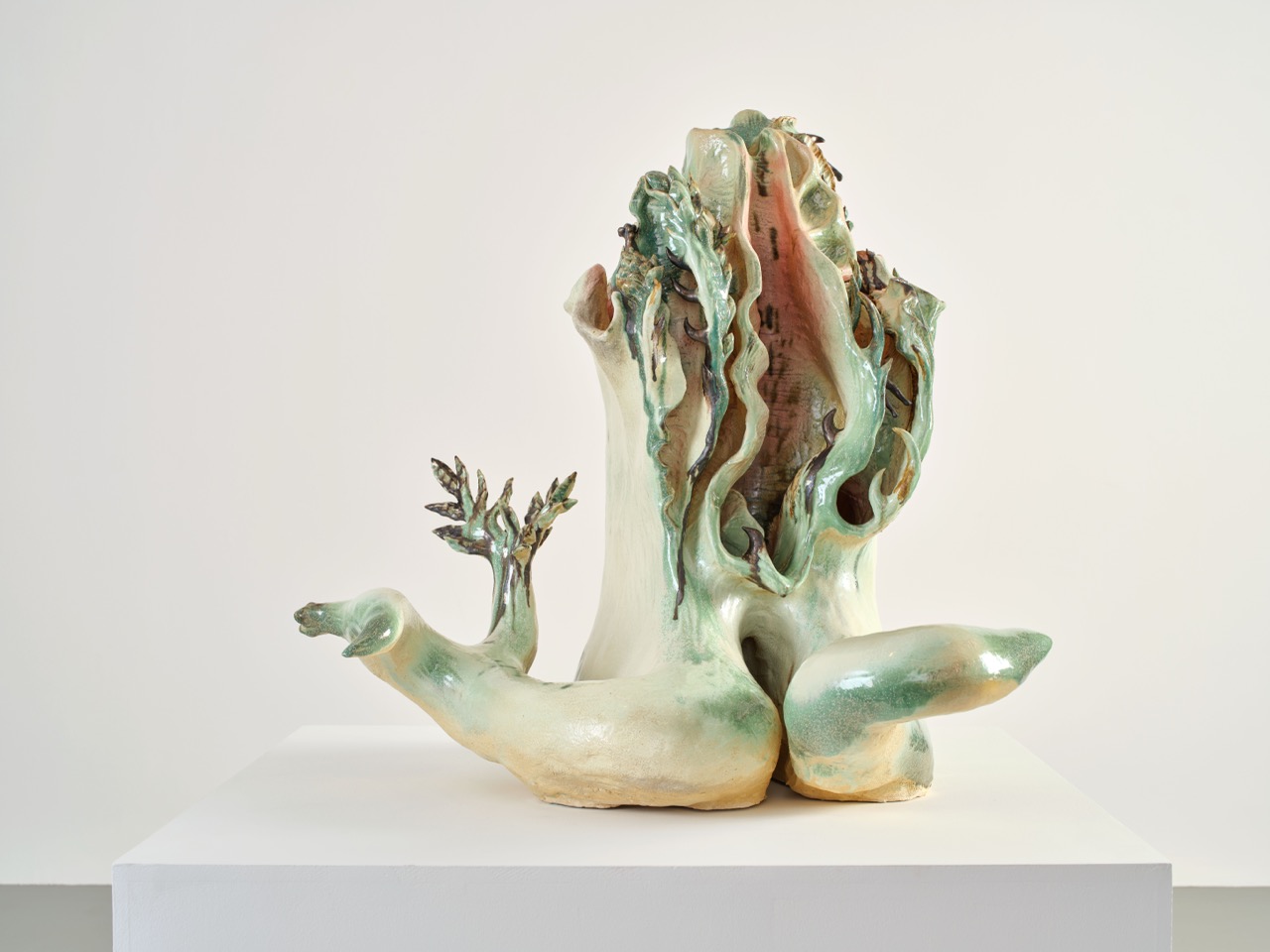
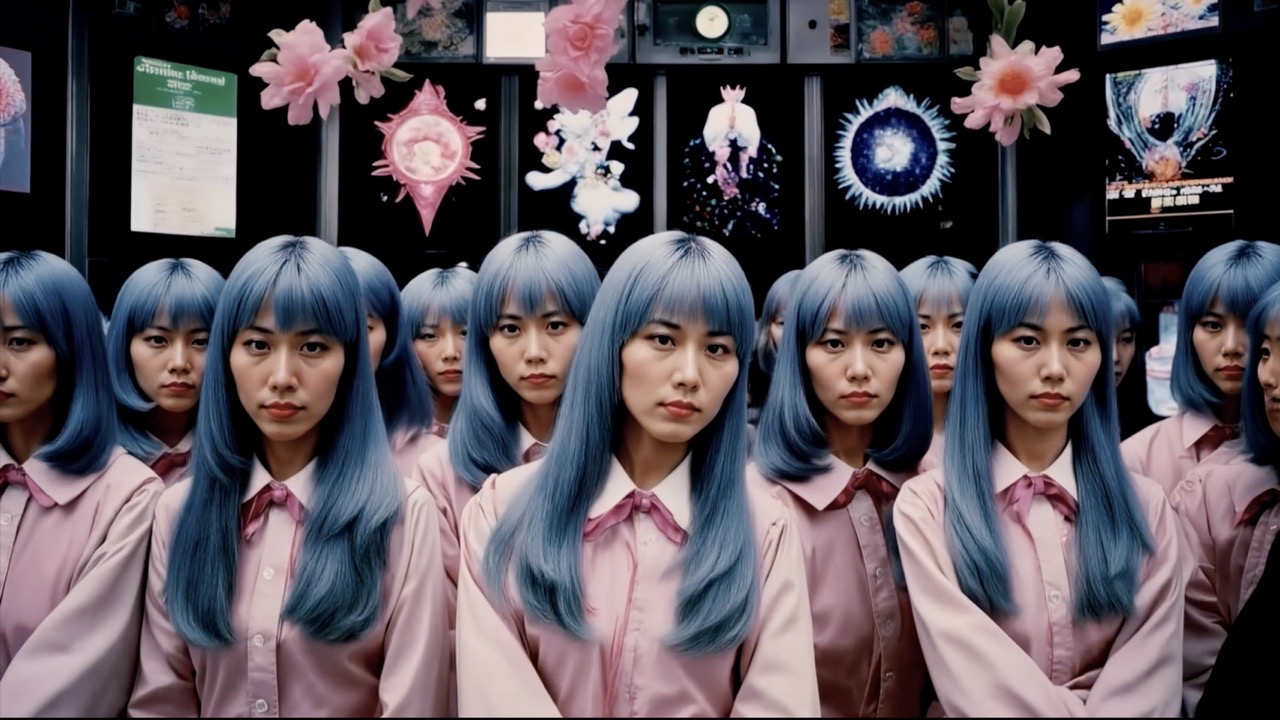
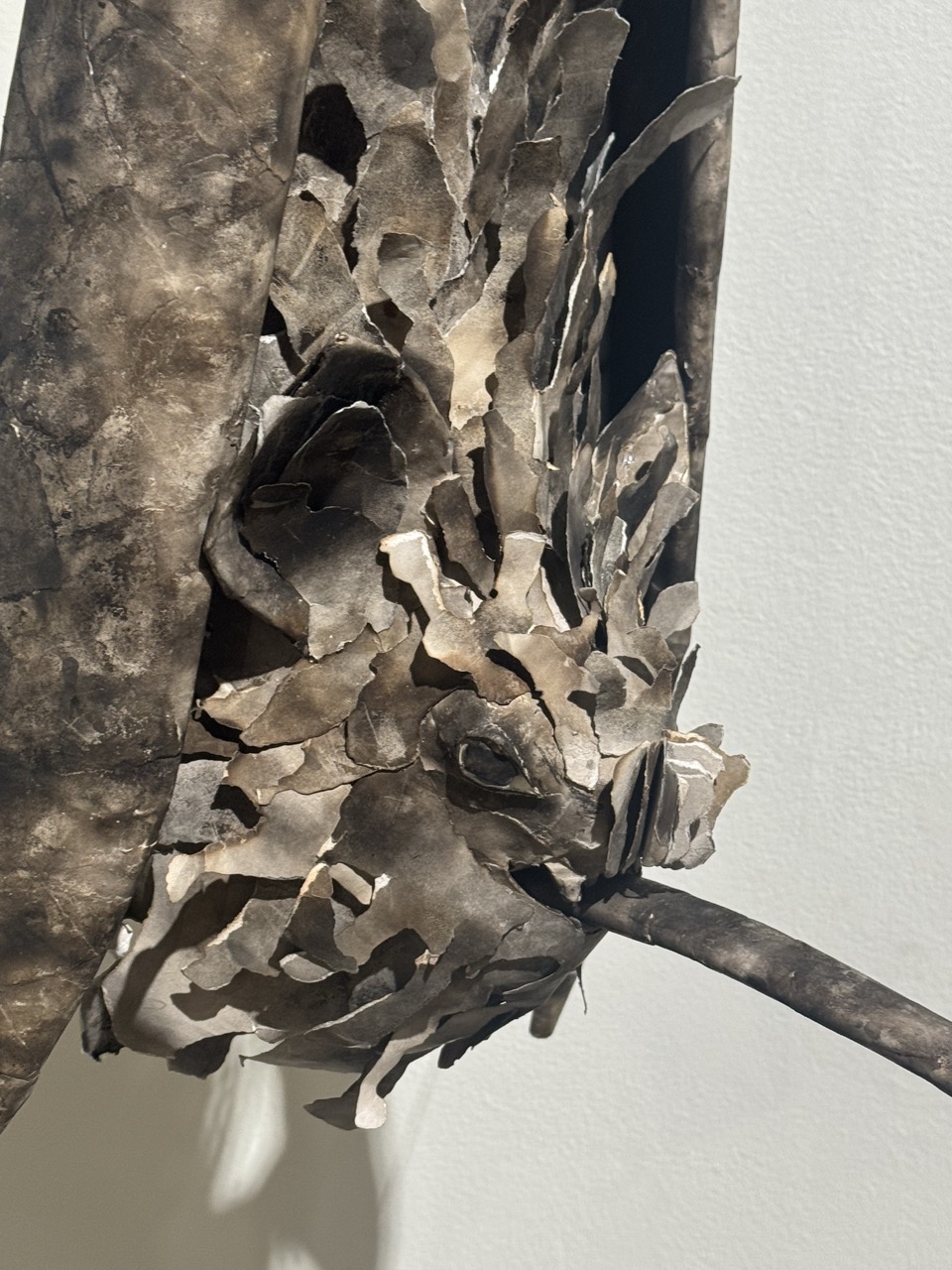
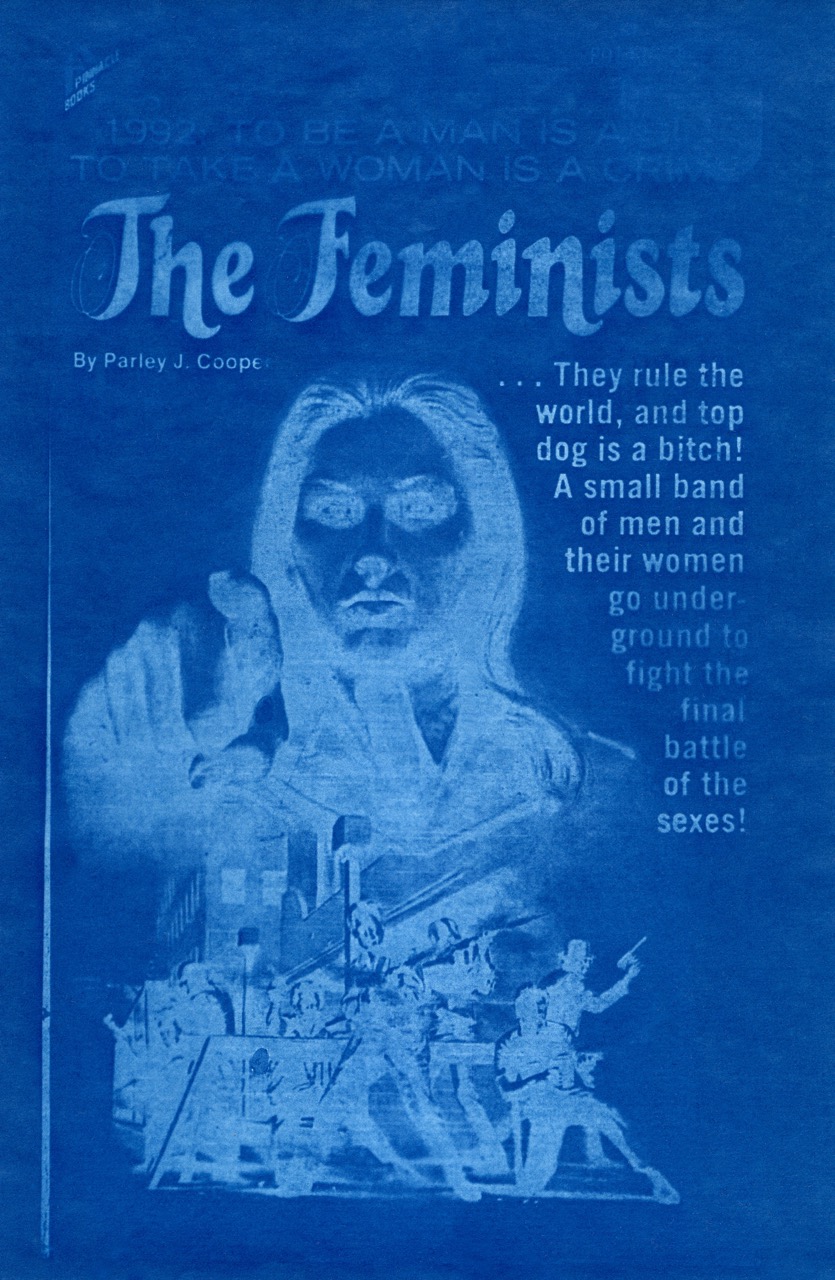
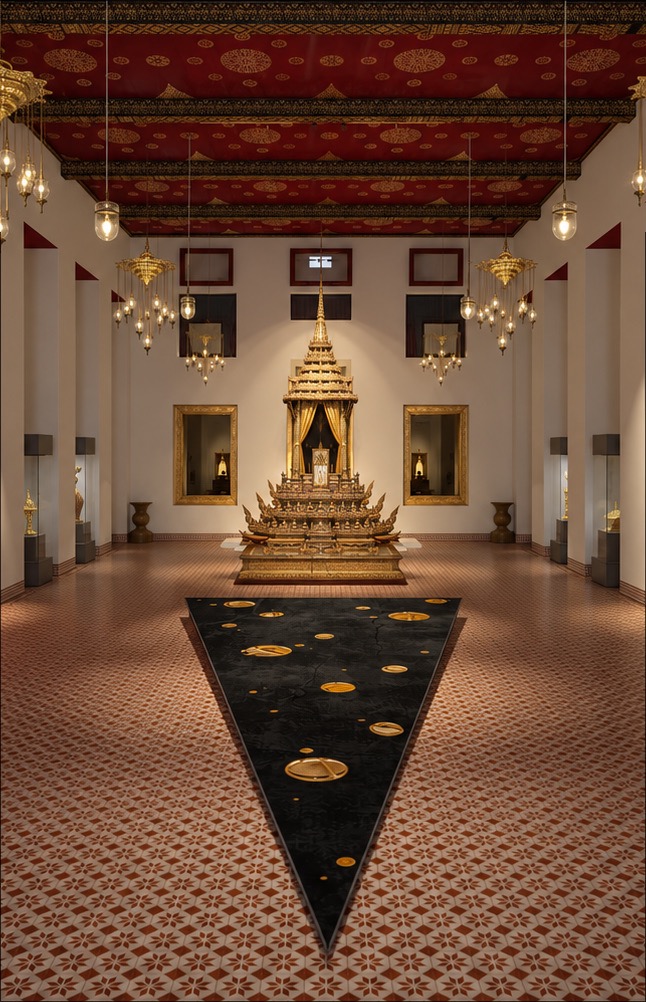
Chomphunut Phuttha’s durational performance and installation WOMARA (2026) examines the tattooed female body as a contested site of identity, discipline, and resistance. Over multiple days, the artist tattoos volunteered subjects with reversed texts from Suphasit Son Ying (traditional didactic proverbs for women), transforming language historically used to regulate female behavior into an assertion of bodily autonomy. The work draws upon the gendered history of tattooing in Thailand, where tattoos traditionally signified honor for men but social stigma and punishment for women, reflecting how such prejudices persist today. Through duration and the physical act of inscription, WOMARA transforms tattooing from a perceived transgression into a powerful language of agency, actively reclaiming the female body.
WOMARA งานศิลปะแสดงสดแบบใช้เวลานานและศิลปะจัดวางสำรวจเรือนร่างของสตรีผู้มีรอยสักในฐานะพื้นที่ที่อัตลักษณ์ ระเบียบวินัยและการขัดขืนถูกตั้งคำถาม ตลอดหลายวันศิลปินได้สักข้อความจากวรรณคดีเรื่อง สุภาษิตสอนหญิง แบบย้อนกลับลงบนร่างกายของอาสาสมัคร เพื่อพลิกความหมายของถ้อยคำที่เคยถูกใช้กำกับพฤติกรรมผู้หญิงให้กลายเป็นถ้อยแถลงแสดงสิทธิในเรือนร่างของตนเอง งานชิ้นนี้มีที่มาจากประวัติศาสตร์การสักในประเทศไทยซึ่งมีมิติทางเพศสภาพ รอยสักเคยได้รับการยกย่องให้เป็นสัญลักษณ์แห่งเกียรติยศและความกล้าหาญของผู้ชายแต่เป็นเครื่องหมายแห่งความเสื่อมเสียและการลงโทษทางสังคมของผู้หญิง ชี้ให้เห็นว่าอคติดังกล่าวยังคงอยู่ในสังคมร่วมสมัย WOMARA ใช้ห้วงเวลาและกระบวนการจารึกบนเรือนร่างเปลี่ยนความหมายของการสักจากการถูกตีตราว่าเป็นการฝ่าฝืนจารีตให้กลายเป็นภาษาอันทรงพลังที่ทวงคืนสิทธิในเรือนร่างของสตรีอย่างจริงจัง