-28.png)
Bangkok Art Biennale 2026 Preview: Exploring Angels, Mara, and the Contradictions of Contemporary Life
This fall, contemporary art will take over Bangkok as the Bangkok Art Biennale (BAB) returns for its fifth edition. The event’s title, BAB 2026: Angels and Mara, draws from two contrasting figures: angels, understood across cultures as divine messengers and guardians; and Mara, the Buddhist figure associated with death, temptation, desire, and fear. It will bring more than 40 artists to temples, museums, heritage sites, and public spaces throughout the Thai capital.
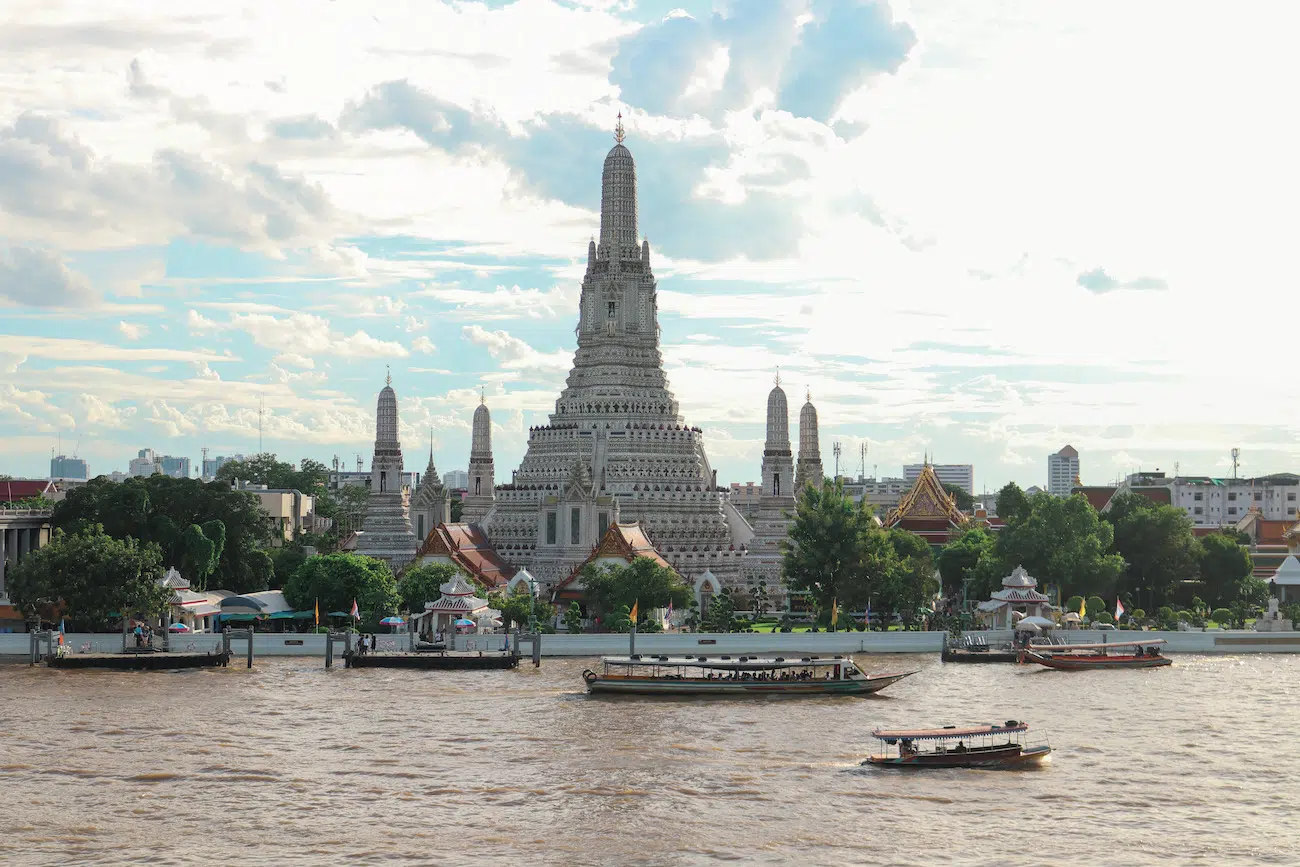
This biennale will unfold across 10 venues throughout Bangkok. Visitors can encounter contemporary art alongside some of the city’s most recognizable cultural landmarks. This includes Wat Arun, Wat Pho, Wat Prayoon, Museum Siam, Bangkok Art and Culture Centre (BACC), and One Bangkok.
The city-wide format has become central to the biennale since its founding in 2017. BAB uses Bangkok’s historic architecture and urban landscape as part of the exhibition itself, creating encounters between contemporary works and the city’s waterways, streets, and heritage sites. Its first four editions attracted nearly 5 million visitors and featured more than 300 artists from Asia, Europe, America, Oceania, and Africa.

Bangkok Art Biennale 2026 Preview: Exploring Angels, Mara, and the Contradictions of Contemporary Life
This fall, contemporary art will take over Bangkok as the Bangkok Art Biennale (BAB) returns for its fifth edition. The event’s title, BAB 2026: Angels and Mara, draws from two contrasting figures: angels, understood across cultures as divine messengers and guardians; and Mara, the Buddhist figure associated with death, temptation, desire, and fear. It will bring more than 40 artists to temples, museums, heritage sites, and public spaces throughout the Thai capital.
This biennale will unfold across 10 venues throughout Bangkok. Visitors can encounter contemporary art alongside some of the city’s most recognizable cultural landmarks. This includes Wat Arun, Wat Pho, Wat Prayoon, Museum Siam, Bangkok Art and Culture Centre (BACC), and One Bangkok.
The city-wide format has become central to the biennale since its founding in 2017. BAB uses Bangkok’s historic architecture and urban landscape as part of the exhibition itself, creating encounters between contemporary works and the city’s waterways, streets, and heritage sites. Its first four editions attracted nearly 5 million visitors and featured more than 300 artists from Asia, Europe, America, Oceania, and Africa.